With so many of us watching the tremendous mobilizations in Minneapolis, culminating in the call to action against ICE, our comrade wanted to share some of what they have gathered from talking to comrades in Minneapolis over the past few weeks.
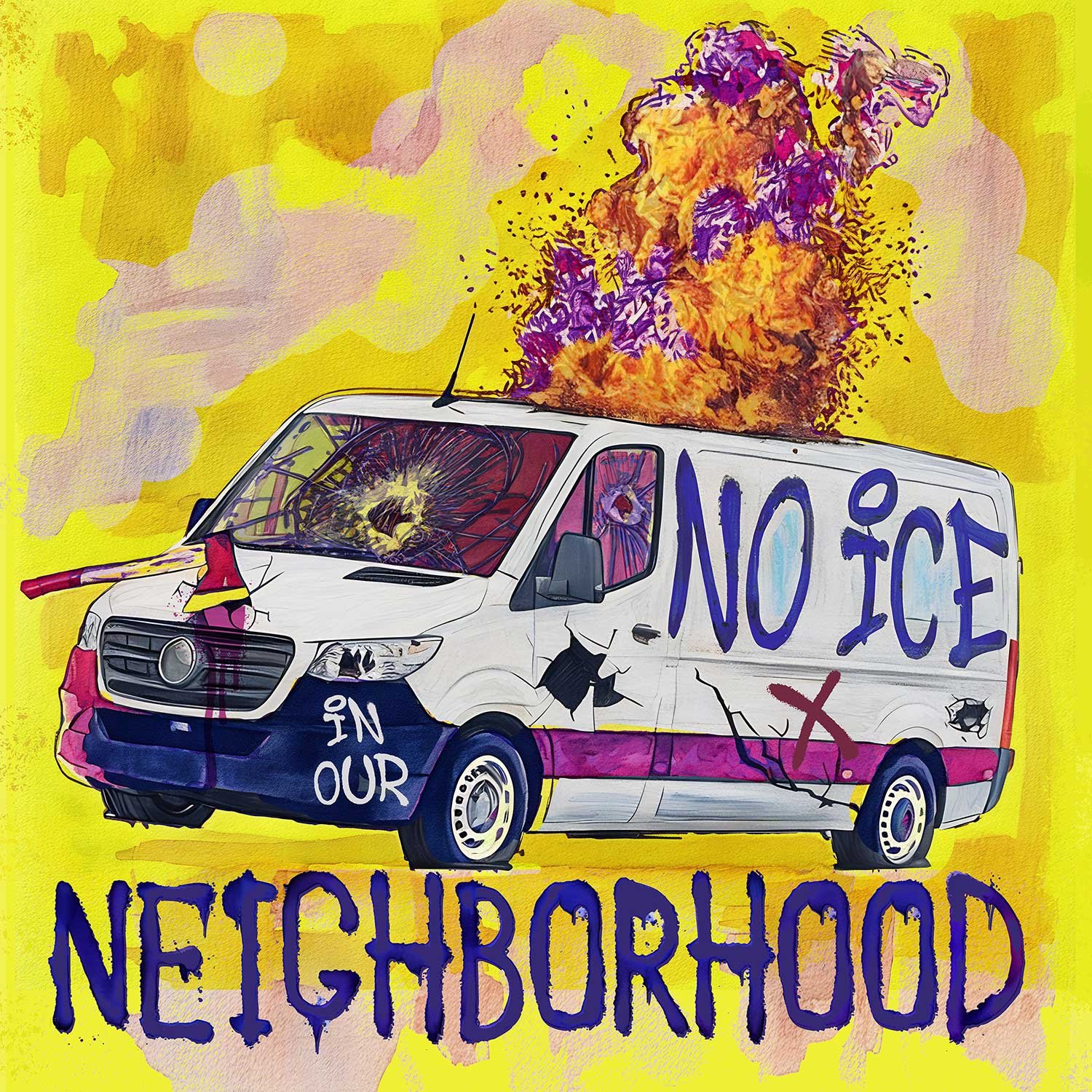
A few things stood out:
1) The general strike came from organizing for a general strike. Not from social media posting about going on a general strike, but organizing in neighbourhoods, organizing power in unions, and organizations drawing out members and networks.
This is critical because the past two years have seen many viral calls for general strikes on a range of vital issues, but these have rarely materialized into the organizing power & logistical coordination necessary for an actual general strike.
2) Movement history and infrastructure: Every comrade I know is deeply rooted in that city's movement history and infrastructure - whether networks emerging from the American Indian Movement to labour organizing against Amazon to the George Floyd uprising.
This has meant: a grounding in the long arc of struggle, helping people avoid repeating some of the same mistakes over and over again; learning across generations; not getting either easily overconfident or easily jaded; and relying on (while sharpening) existing movement infrastructure and informal networks, especially around care, movement dynamics, and conflict resolution.
This is totally subjective but I have long felt that the most significant part of movement infrastructure is ensuring that people who are newly politicized to and joining the struggle are: able to keep learning and have their political consciousness expand, able to find political homes to keep organizing, don't burn out when things get long and hard, and people are brought into the absolute longevity of struggle with no false promises or false solutions (to avoid the cycles of fizzling out that we constantly see repeat).
3) The neighbourhood is central to political, social, and civic life: It's not a coincidence that we are seeing some of the strongest and most effective rapid response networks in cities like Minneapolis precisely because the ethic of being a good neighbour - despite political differences - still rings true. What many may call mutual aid is basically people looking out for their community members, their neighbours, their teachers, their co-workers, their local street vendor, etc.
This is precisely why any kind of organizing that reaches for relationality is central, not secondary - it breaks the capitalist idea of us as atomized, individual consumers and compels us to act in service to and in solidarity with others. And perhaps more than anything, it's a politics rooted in cultivating belonging rather than ideology.